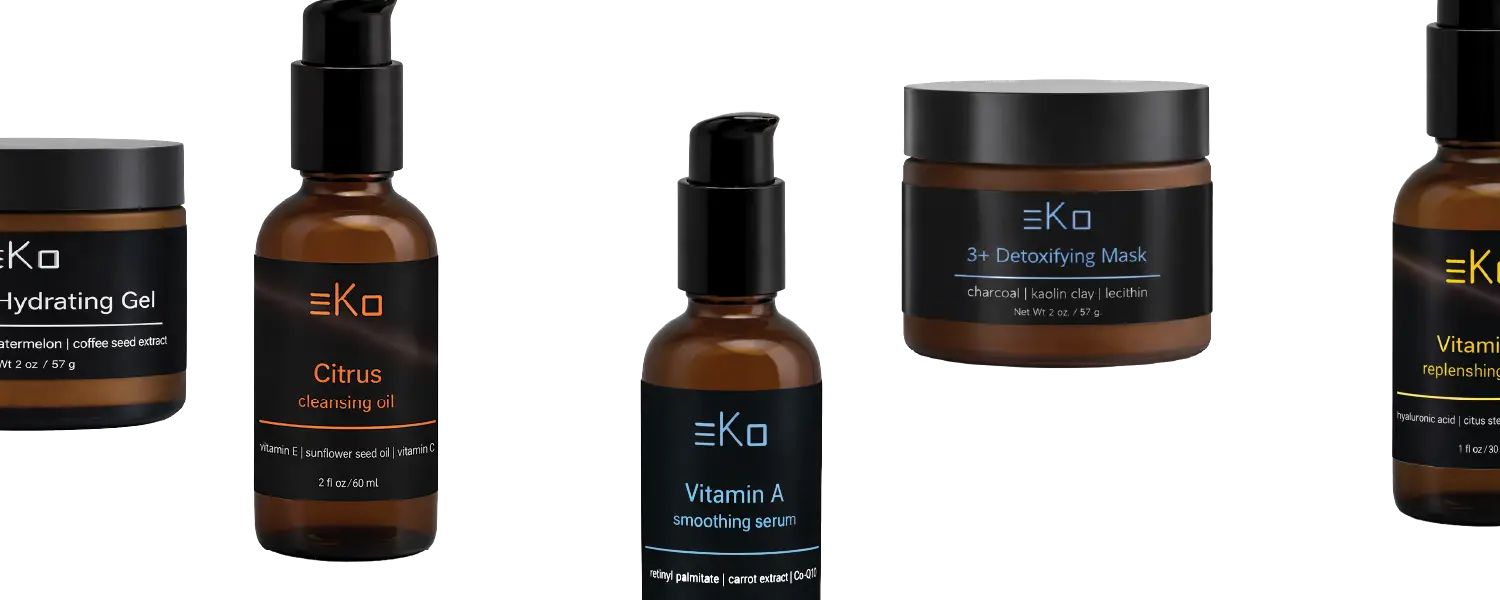
A dynamic combination of
featuring the latest advances in technology, ingredients and delivery systems engineered to protect, nourish, and preserve the health and appearance of your skin and the skin barrier.
EKO Premium skincare products are gender neutral and are ideal for young professionals new to quality skincare and for educated users looking to upgrade or enhance their current routine.
It is a good idea to deeply cleanse and exfoliate your skin on a regular basis.
How often? It depends on your skin. A few times per month for some up to a few times per week for others. It is not recommended to deep cleanse or exfoliate daily.
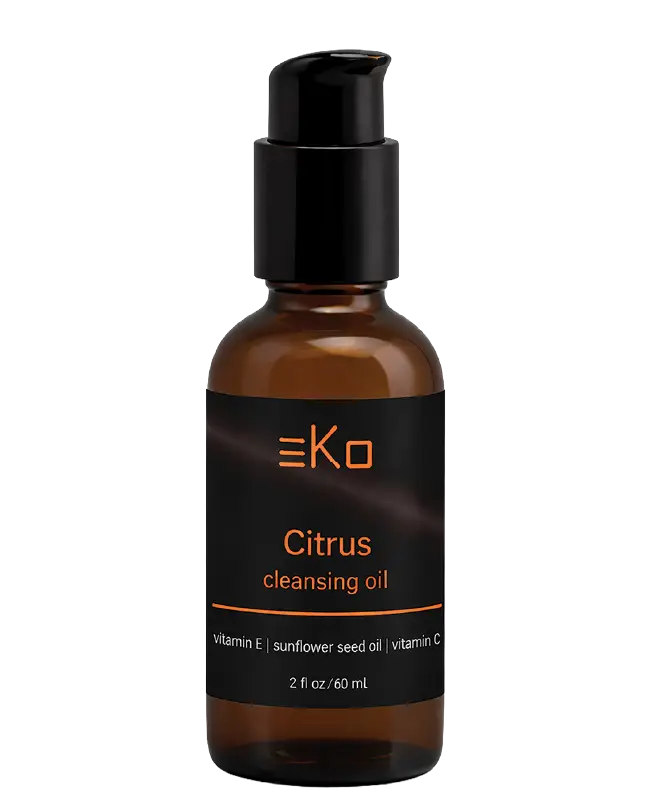
Citrus cleansing oil is a non-soap (soap-free) face cleanser that uses plant based oils rather than harsh alkaline fats to prevent over-drying and:
Protect the Skin Barrier: Traditional soaps strip the skin of its natural lipids. Non-soap cleansers lift away dirt and makeup without compromising the skin barrier.
Maintain Natural pH Balance: Healthy skin has a slightly acidic pH, typically around 4.5 to 5.5. Traditional soaps are highly alkaline, while soap-free cleansers are formulated to match the skin’s natural acidity, which wards off bacteria and infection.
Reduce Breakouts: When skin becomes too dry from harsh soaps, it often overcompensates by producing excess oil. Non-soap cleansers keep your face balanced, helping to minimize acne and breakouts.
Use Citrus cleansing oil up to 3x per week to melt away impurities, makeup, and daily buildup and to nourish the skin with antioxidant-rich vitamins and plant oils.
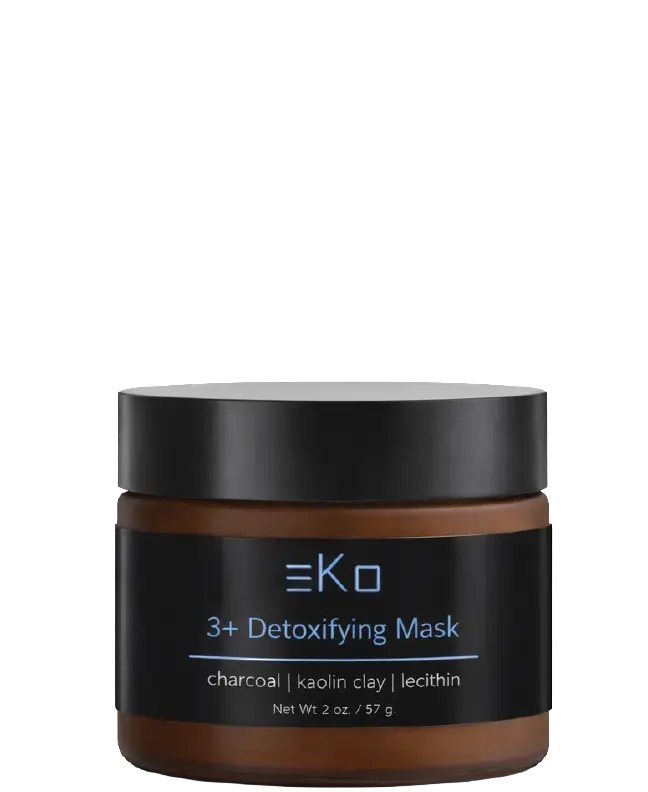
3Plus detoxifying mask provides a deep, multi-step treatment. It detoxifies pores, absorbs excess sebum without over-drying, and restores the skin’s moisture barrier. This makes it highly effective for clearing congestion while keeping the skin soft and soothed
3Plus exfoliating mask features a powerful combination of charcoal and three triple-action clays that will leave your skin enriched, smooth and naturally exfoliated.
Core Benefits Breakdown
Deep Pore Cleansing (Activated Charcoal): Acts like a magnet to adsorb bacteria, dirt, and daily toxins from deep within the pores. This clarifies the skin, helps prevent blackheads, and minimizes the risk of acne breakouts.
Oil Control & Gentle Exfoliation (Kaolin Clay): Binds to and lifts away excess surface oils and dead skin cells. Because kaolin is less drying than other clays (like bentonite), it mattifies the complexion while retaining essential hydration.
Barrier Restoration & Hydration Support (Lecithin): A natural emollient and skin-conditioner that softens the skin. It adds essential moisture back into the skin, preventing the dry, tight feeling typically caused by clay and charcoal masks.
How to Maximize Its Use
Frequency: Use this mask up to 1 to 2 times per week. Overusing can dehydrate or irritate the skin barrier.
Application: Apply an even layer to clean, dry skin (avoiding the delicate eye area). Leave it on for 10 to 15 minutes, or just until it begins to dry, and rinse with water. Better yet, apply water and re-wet the mask working in circular motion – like using soap – for maximum exfoliation then rinse with water.
Follow-Up: with 24 Hour hydrating gel to lock in moisture and support the skin’s barrier.
Our serum formulas are lightweight, fast-absorbing liquids packed with high concentrations of active ingredients like vitamins, acids, and antioxidants.
Designed to penetrate deep into the skin, they treat specific concerns — such as dullness, wrinkles or dark spots — much faster and more powerfully than a moisturizer alone.
Because they target different concerns, our serums are categorized by their primary active ingredients.
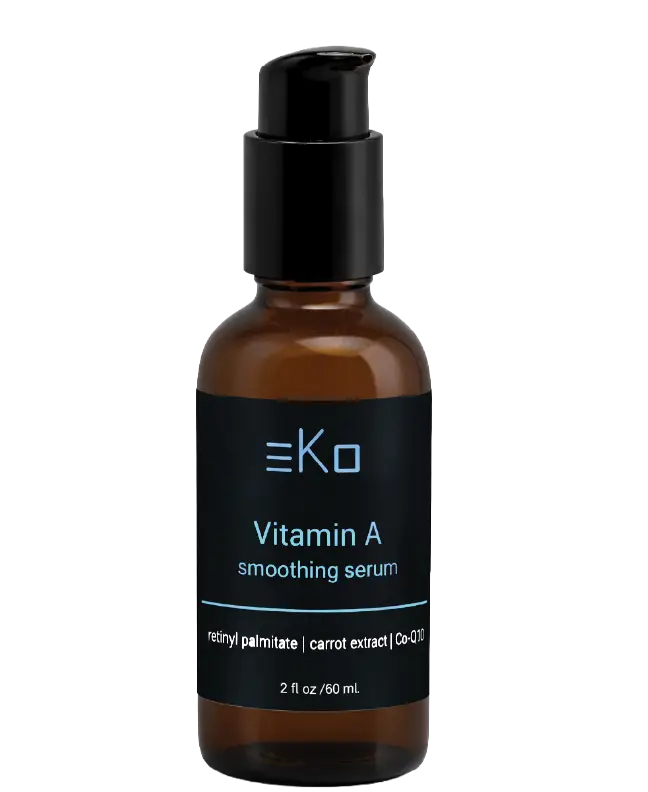
Vitamin A – the source of Retinol and Retinyl Palmitate – reduces wrinkles and fades dark spots.
Where Serums Fit In Your Routine
Our serums are not meant to replace your daily moisturizer but work with it.
1 – Cleanse your face and pat dry.
2 – Apply 3 to 4 drops of your serum and gently press it into the skin.
3 – Moisturize immediately after to lock in the active ingredients and create a protective barrier.
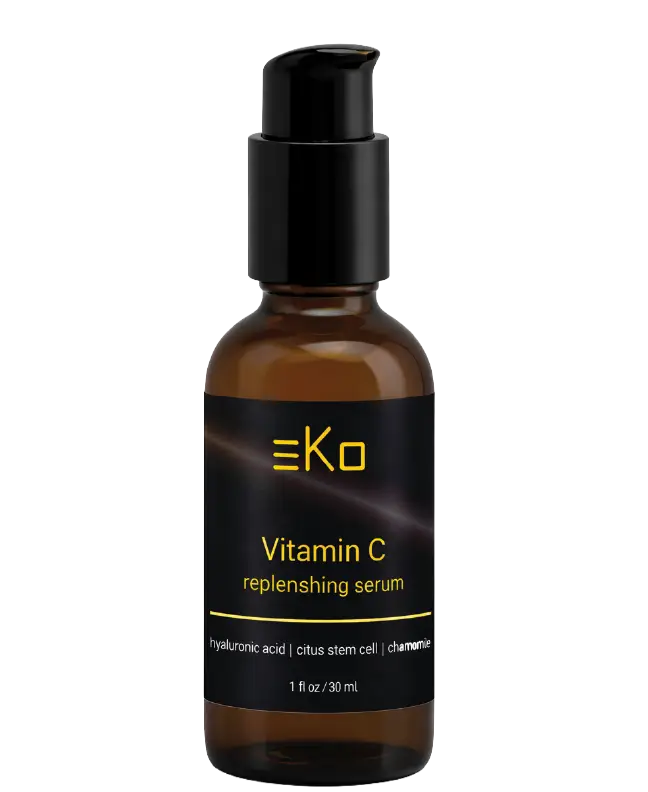
This antioxidant powerhouse harnesses the combined strength of Vitamin C, citrus stem cells, and hyaluronic acid to help your skin look refreshed, youthful and radiant.
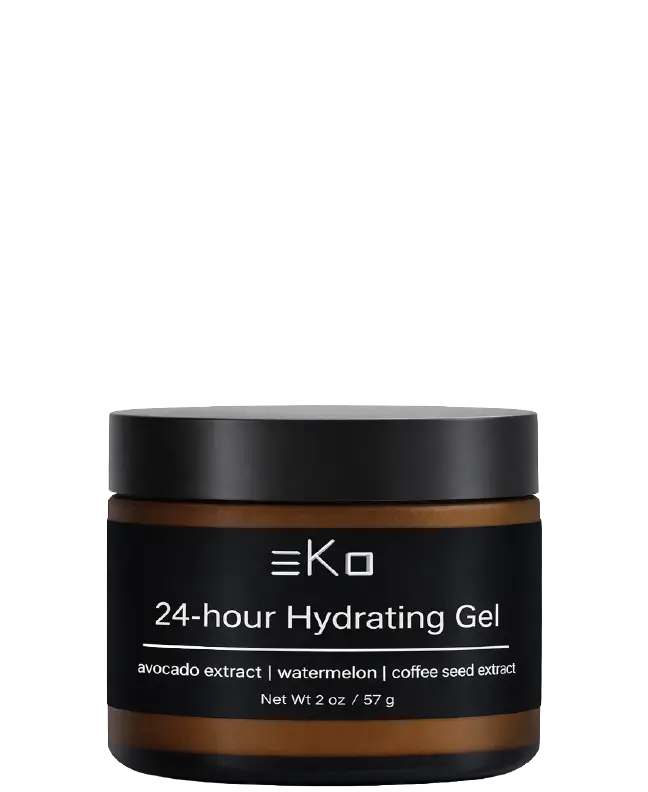
24 Hour hydrating gel offers weightless, intense hydration using water-binding humectants like hyaluronic acid instead of heavy oils and butters. This gel absorbs instantly, leaves a breathable finish and integrates ReVita- D™ technology, active botanicals, an advanced delivery system, and skin-barrier strengthening ingredients.
instant hydrating- lasting protection
The Key Benefits of Our Formula
Zero Weight, Maximum Moisture: Unlike traditional luxury creams that rely on heavy lipids, this gel floods your skin with moisture without a greasy residue. Making it ideal for humid climates and daytime use.
Advanced Humectant Technology: This formula uses a citrilline to penetrate deeper into the skin layers rather than just sitting on top of the surface.
Multitasking Benefits: Beyond basic hydration, this formula is packed high quality secondary actives like peptides, antioxidants and botanical extracts that target aging, redness and dullness.
Healthy skin is free of any visible signs of disease, infection, or injury. It is approximately 50 to 70 percent water and is slightly moist, soft, and has a smooth, fine-grained texture (feel and appearance). The surface of healthy skin is slightly acidic, and its immune responses react quickly to organisms that touch or try to enter it.
Appendages of the skin include hair, nails, and sudoriferous (sweat) and sebaceous (oil) glands.
As the body’s largest organ, the skin is composed of three main components: the epidermis, the dermis, and the subcutaneous layer.
The epidermis is the outermost and thinnest layer of the skin. It contains no blood vessels but does have many small nerve endings. The epidermis is made up of five layers, called strata
1 – The stratum corneum, also known as the horny layer, is the epidermis’s outer layer and is what we find when we examine the skin. It has overlapping skin cells and forms a barrier to protect underlying tissues from infection, dehydration, chemicals, and mechanical stress. The cells are continually being shed and replaced by cells rising to the surface from the skin’s sublayers.
The stratum corneum is made up of keratin , a fibrous protein that is also the principal component of skin, hair, and nails.
The stratum corneum’s cells combine with lipids (fats) produced by the skin to help make it a protective, water-resistant layer. The complex of lipids between the cells is known as the barrier function . It keeps the skin moist by preventing water evaporation, guarding against irritants penetrating the skin surface, and helping to regulate the skin’s pH.
2 – The stratum lucidum is the clear, translucent layer under the stratum corneum; it consists of small cells through which light can pass. This layer is located only on the palms of the hands, soles of the feet, and digits.
3 – The stratum granulosum, also known as the granular layer, is the layer of the epidermis composed of cells that resemble granules and are filled with keratin. The cells die as they are pushed to the surface to replace dead cells shed from the stratum corneum.
4 – The stratum spinosum, also known as the spiny layer, is just above the stratum germinativum. The spiny layer is where the process of skin-cell shedding begins. The spinosum is the largest layer of the epidermis.
5 – The stratum germinativum, more commonly called the basal cell layer, is the epidermis’s deepest layer. This is the living layer where everything starts or germinates! This layer produces new epidermal skin cells and is responsible for the growth of the epidermis. It is composed of several layers of differently shaped cells. The basal cell layer also contains special cells called melanocytes , which produce skin pigment called melanin. Melanin protects he sensitive cells in the dermis (located below the epidermis) from the destructive effects of excessive ultraviolet (UV) light from the sun and ultraviolet lamps
The dermis, also known as derma, corium, cutis, or true skin, is the skin’s underlying or inner layer. The dermis extends to form the subcutaneous tissue. The highly sensitive dermis layer of connective tissue is about 25 times thicker than that of the epidermis. Within its structure are numerous blood vessels, lymph vessels, nerves, sudoriferous (sweat) glands, sebaceous (oil) glands, hair follicles, and arrector pili muscles .
The dermis comprises two layers: the papillary layer (superficial layer) and the reticular layer (deeper layer).
1 – The papillary layer is the dermis’s outer layer, directly beneath the epidermis. Here, you will find the dermal papillae (singular: dermal papilla), which are membranes of ridges and grooves that attach to the epidermis. Some papillae contain looped capillaries, while others contain small epidermal structures called tactile corpuscles , with nerve endings that are sensitive to touch, pain, heat, cold, and pressure. Note that papillae in the hair follicle are called hair papillae and are small cone-shaped structures at the bottom of hair follicles.
The top of the papillary layer, where it joins the epidermis, is called the dermal-epidermal junction (DEJ). This junction connects the dermis to the epidermis.
2 – The reticular layer is the deeper layer of the dermis that supplies the skin with oxygen and nutrients. It contains the following structures within its network:
Blood vessels
Lymph vessels
Sebaceous (oil) glands
Sudoriferous (sweat) glands
Hair follicles
Arrector pili muscles
Nerve endings
The subcutaneous layer, also known as hypodermis or superficial fascia, is composed of subcutaneous tissue, also known as adipose tissue or subcutis tissue. It’s the fatty tissue below the dermis. It gives the body smoothness and contour, contains fats for energy, and acts as a protective cushion for the skin. It varies in thickness according to an individual’s age, sex, and general health
eKo Products Company presents SKIN DEEP, the official editorial blog and educational publication for the brand.